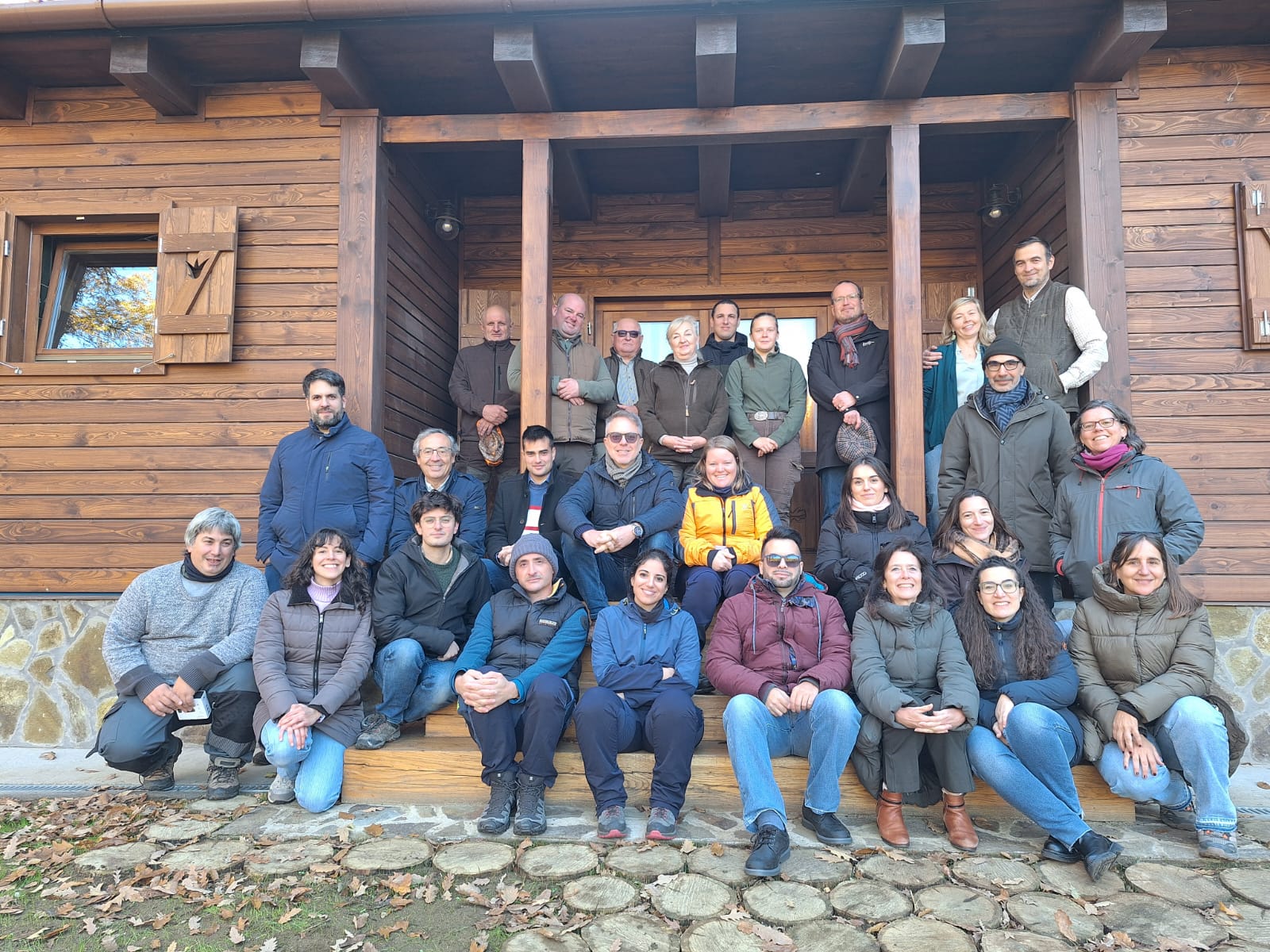

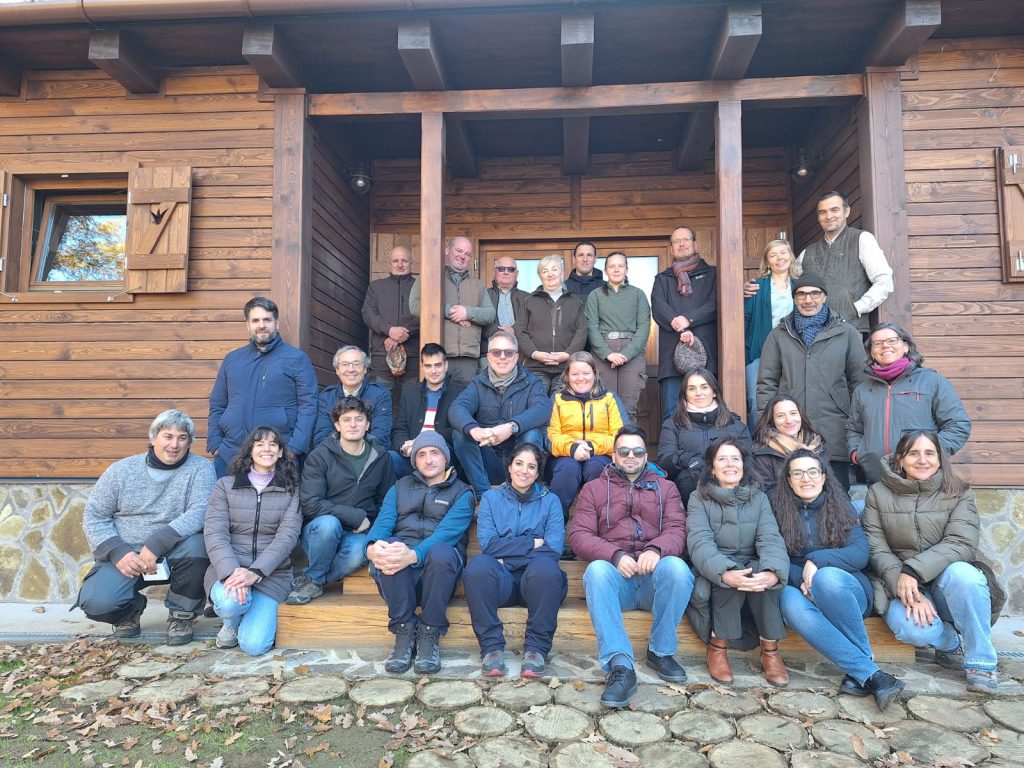
From November 4th to 5th, 2026, the SMURF consortium gathered in Eger, Hungary, for its 6th General Assembly, hosted by the recipient of the Cascade Funding Szent Hubertus ’94 KFT. The two-day meeting brought together project partners from across Europe to review progress, coordinate upcoming activities, and strengthen collaboration around practical solutions for small forest owners and sustainable forest management.
Day 1: Strategic Discussions and Project Coordination
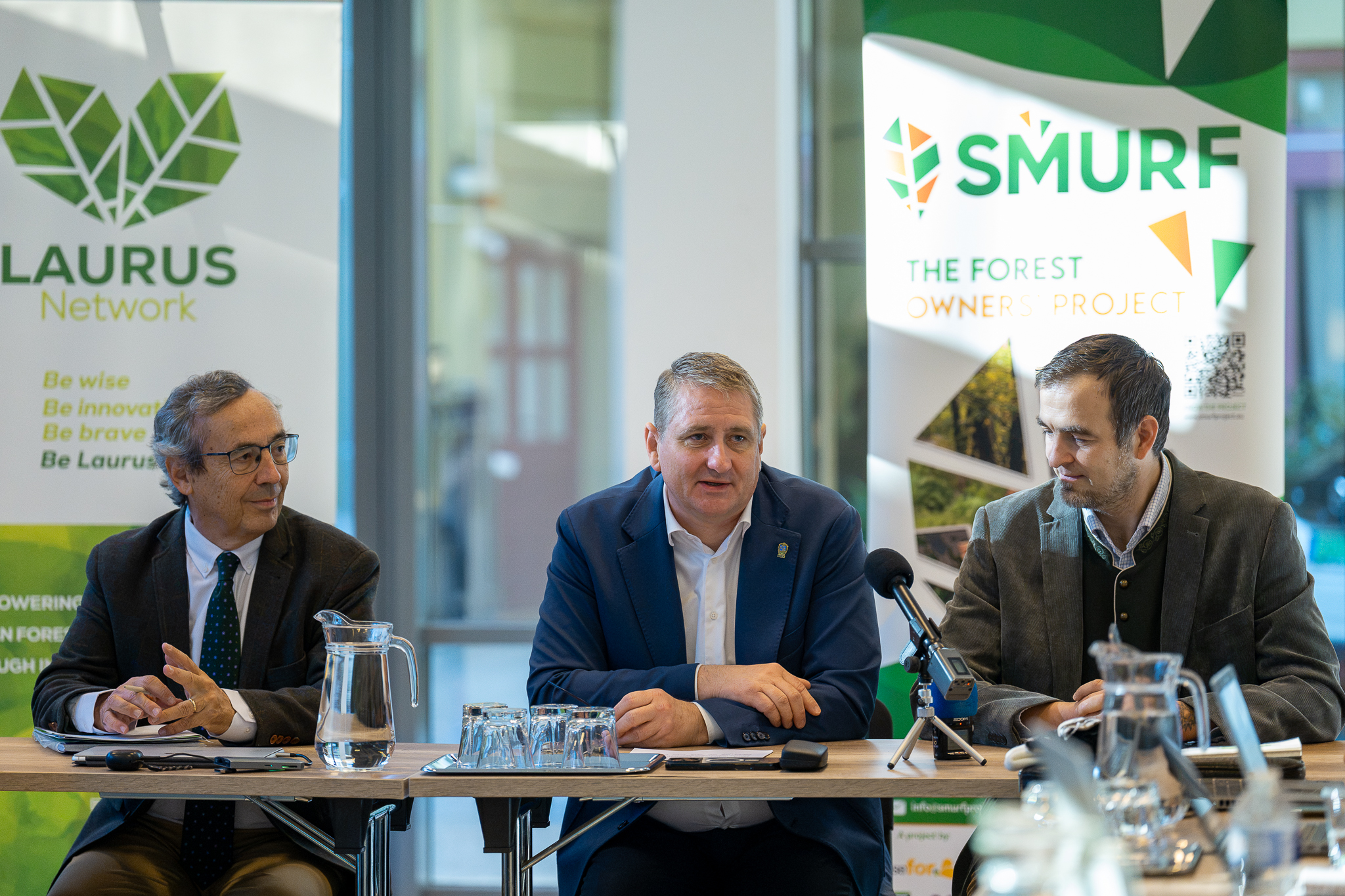
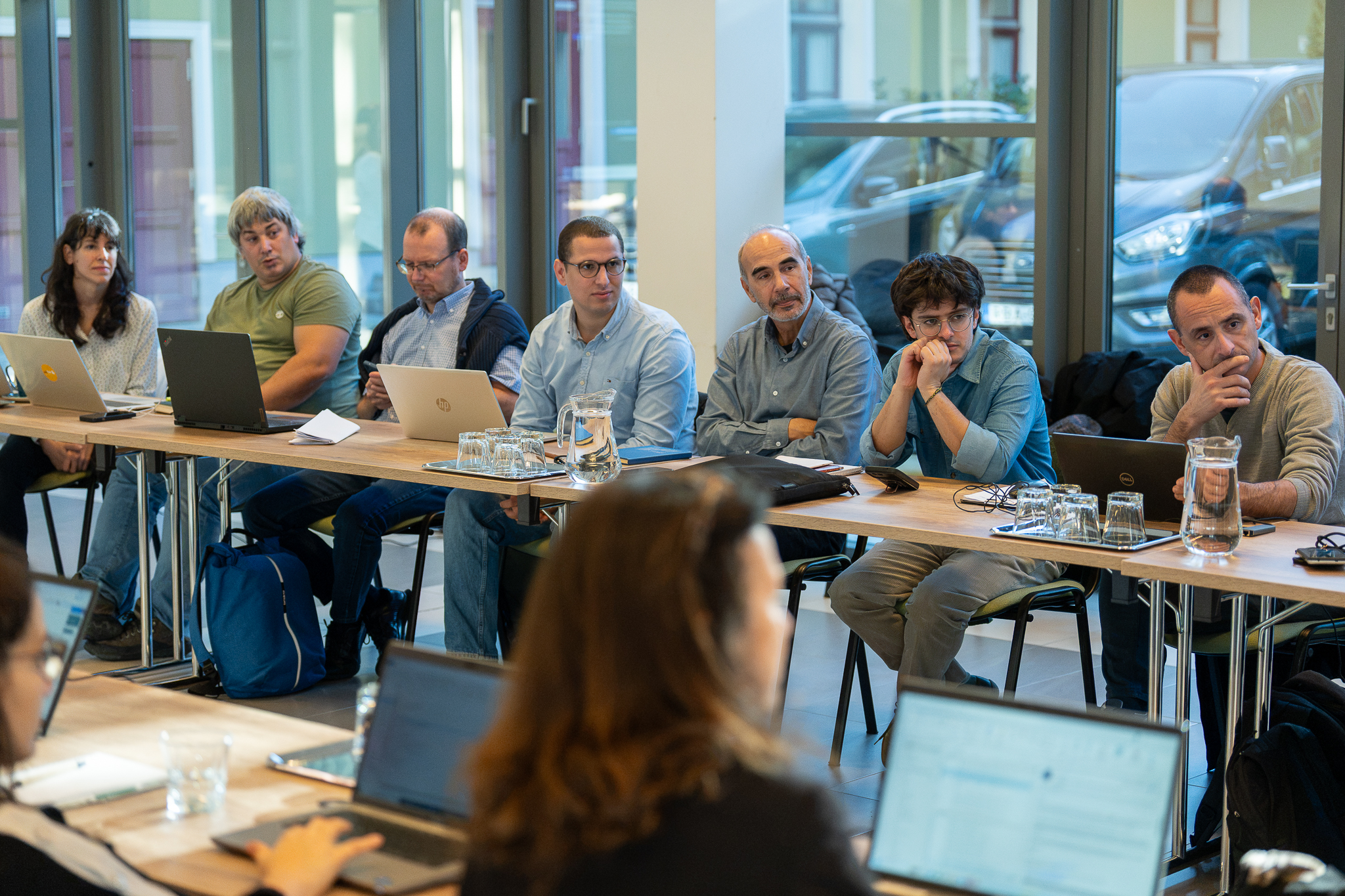
The General Assembly began at the Municipality of Eger with registration and welcome remarks from the Mayor of Eger, Szent Hubertus ’94 KFT., and CESEFOR. The opening session was followed by an overview of the project’s current status and the next steps, providing the consortium with a common perspective on progress and priorities for the coming period.
A substantial part of the morning was dedicated to strategic and technical discussions on the next steps of the SMURF project. Partners exchanged experiences and reviewed progress in key areas such as Closer-to-Nature Silviculture, collaboration within the project’s pilot areas, and the development of practical solutions to support small forest owners.Partners also explored how the different pilot activities can become more collaborative and better connected, helping to strengthen the practical implementation of SMURF approaches across different forest territories.
The afternoon continued with technical sessions addressing the CNS wave, the SMURF carbon scheme, and EU policy guidelines. These discussions focused on how the project's approaches and results can contribute to more sustainable and resilient forest management while creating better connections between local experiences and European-level policy. SMURF-GA6-EGER.docx (1)The first day provided an important opportunity for partners to exchange knowledge across the different areas of the project and ensure that activities remain well coordinated as SMURF moves forward.
Day 2: From Project Coordination to the Field
The second day combined project coordination with a practical field component. The morning began with an EU Conference session, followed by a review of SMURF’s KPIs and communication activities, led by Contactica together with CESEFOR. Partners also discussed the next steps for the Laurus Network and addressed other topics relevant to the continued implementation of the project.
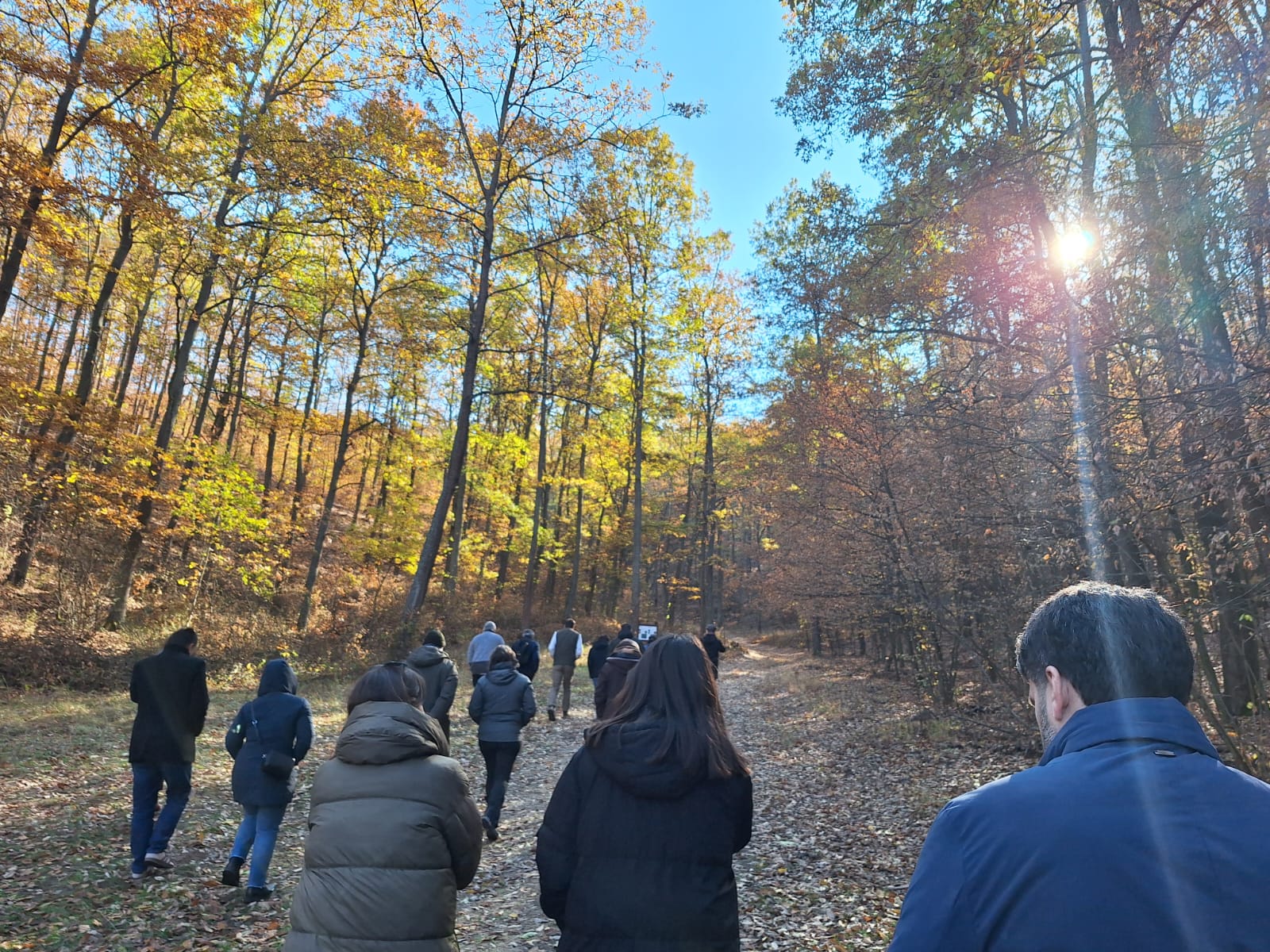
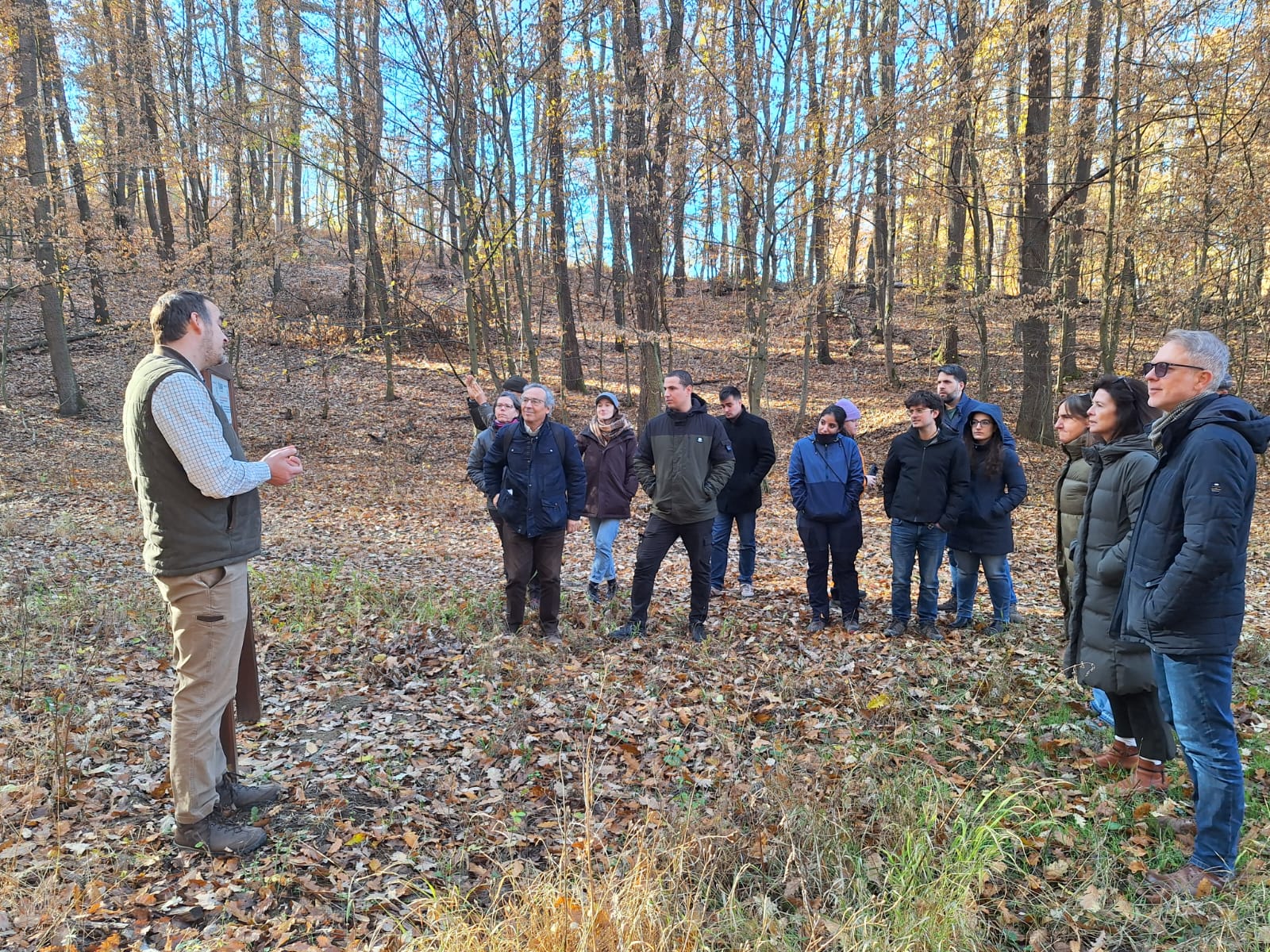
The day then moved from discussions into the field, with partners travelling from Eger to a local Hunting Lodge, in a field visit hosted by Szent Hubertus ’94 KFT. The visit provided an opportunity to connect SMURF’s work with real-world forest management practices in Hungary.
On-the-Ground Management in Ivád
During the visit to Ivád, participants examined local forest blocks situated between 250 and 350 meters in altitude, with an average age of 65 to 70 years. These stands – featuring an average height of 20 meters and a standing stock between 250 and 300 m2/ha – are dominated by Turkey oak (Quercus cerris) and sessile oak (Quercus petraea), alongside a secondary canopy of hornbeam (Carpinus betulus) and valuable broadleaves like wild cherry, wild pear, and maple species.
To counter growing abiotic stress, Szent Hubertus ’94 Kft. initiated a transition roughly five years ago towards continuous forest cover. By conducting negative selection thinnings and opening small canopy gaps, forest managers are mimicking natural regeneration processes, boosting species diversity, and maintaining a mosaic structure that accommodates drought-tolerant species like Quercus rubra.
The visit also shed light on critical environmental pressures facing local forest managers:
- Escalating Drought Conditions: Historical annual rainfall averages of 600–800 mm dropped sharply to 377 mm in 2025, reaching just 207 mm during the first 10 months of 2026.
- Wildlife Pressure: High deer population densities continue to pose significant risks of game damage, highlighting the limits of past national hunting policies in controlling wildlife impacts.
Overall, the field trip emphasized the crucial role of cross-border knowledge exchange, illustrating how adaptive silviculture can assist small forest holders across Europe in creating resilient forests prepared for future climate realities.
A Productive Meeting Strengthening
the Next Steps of SMURFThe 6th General Assembly in Eger provided a valuable opportunity for the SMURF consortium to take stock of progress, exchange knowledge and strengthen collaboration across the different areas of the project.
Across two days of strategic discussions, technical workshops and practical field experiences, partners reinforced their shared commitment to developing practical, innovative and sustainable solutions for small forest owners across Europe.
As SMURF continues its implementation, the consortium remains focused on strengthening closer-to-nature forest management, supporting collaboration among forest stakeholders and developing tools and approaches that can contribute to more resilient, biodiverse and economically viable forest landscapes.Stay tuned for more insights from the field visit in Hungary!