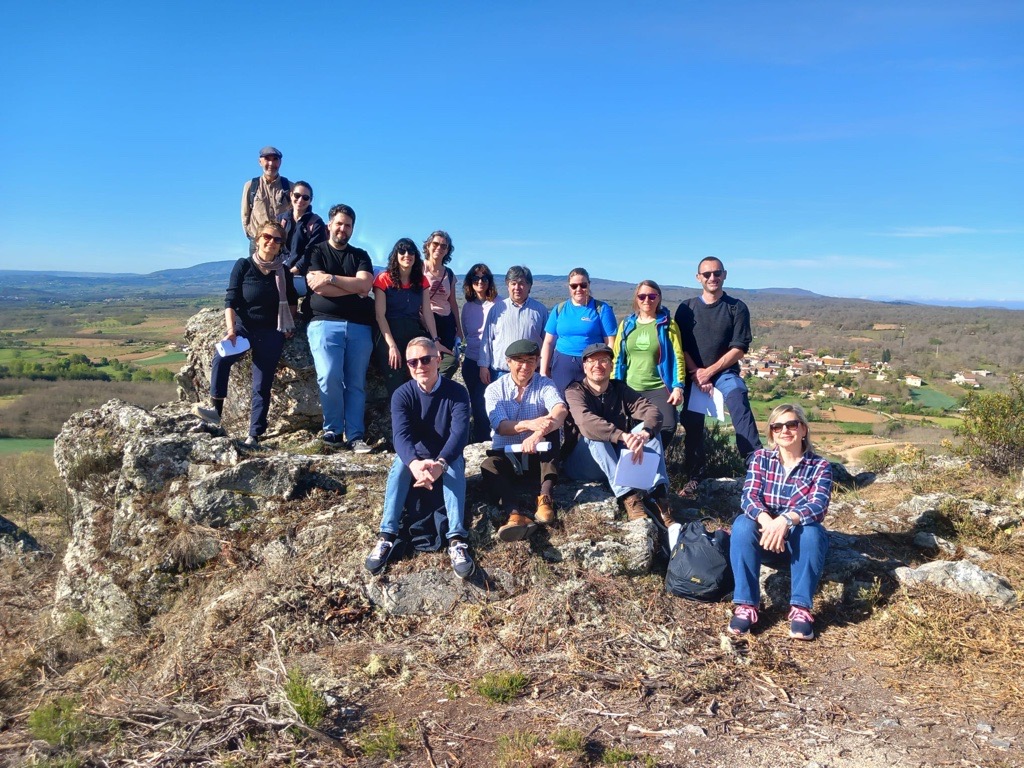

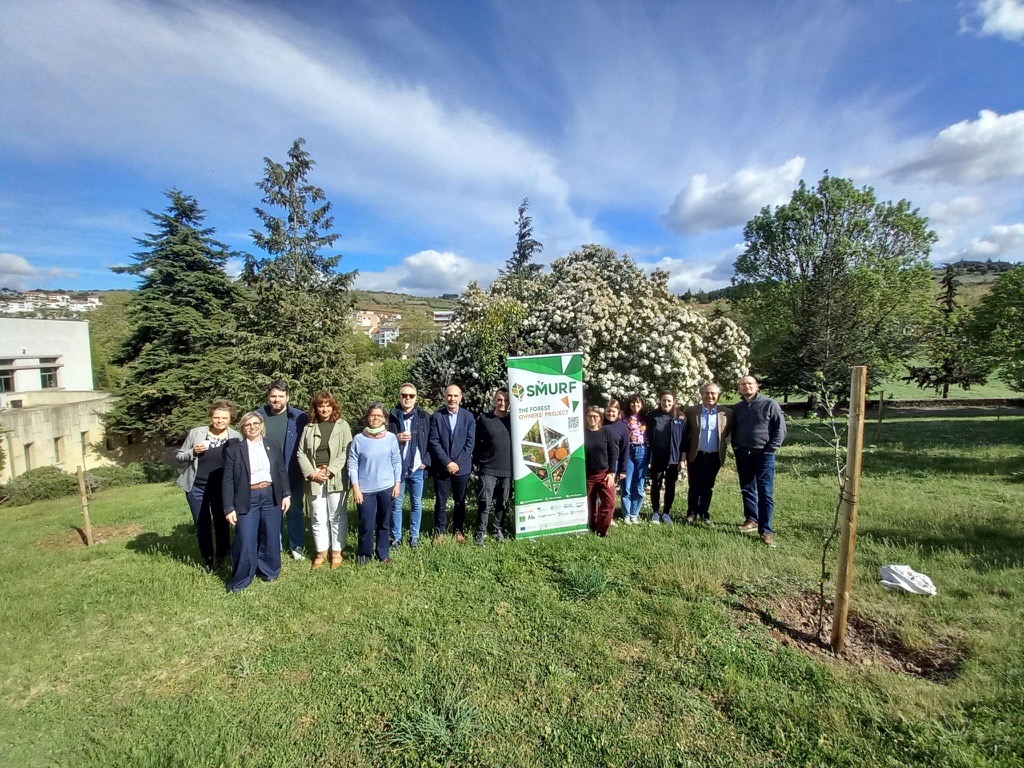
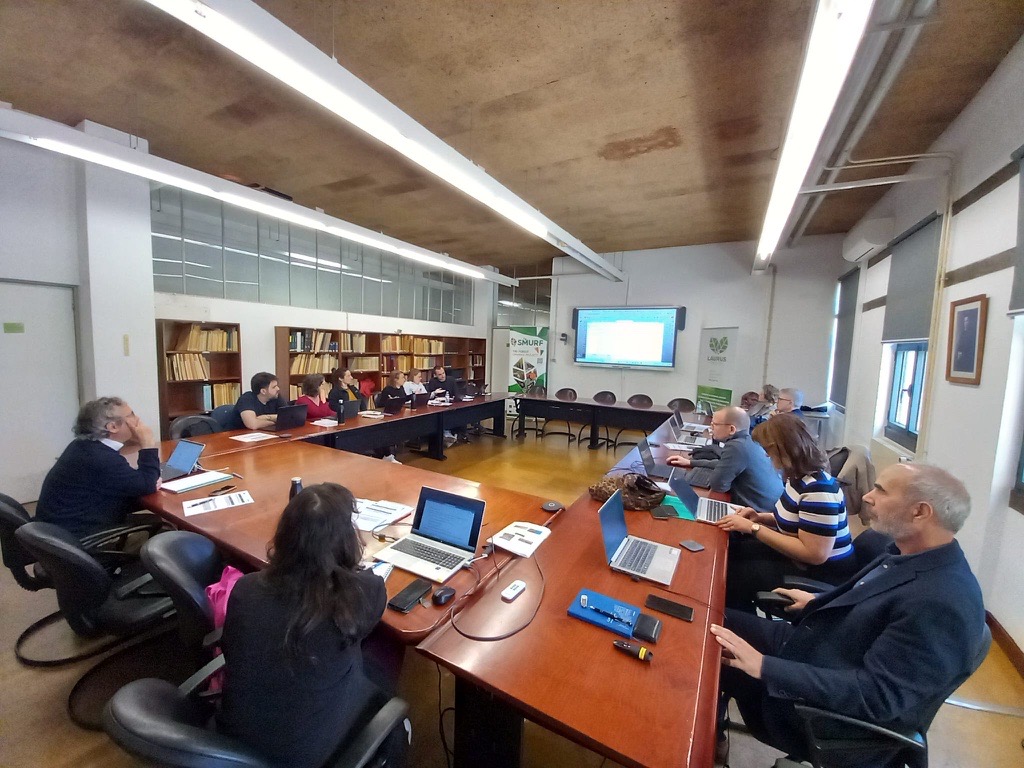
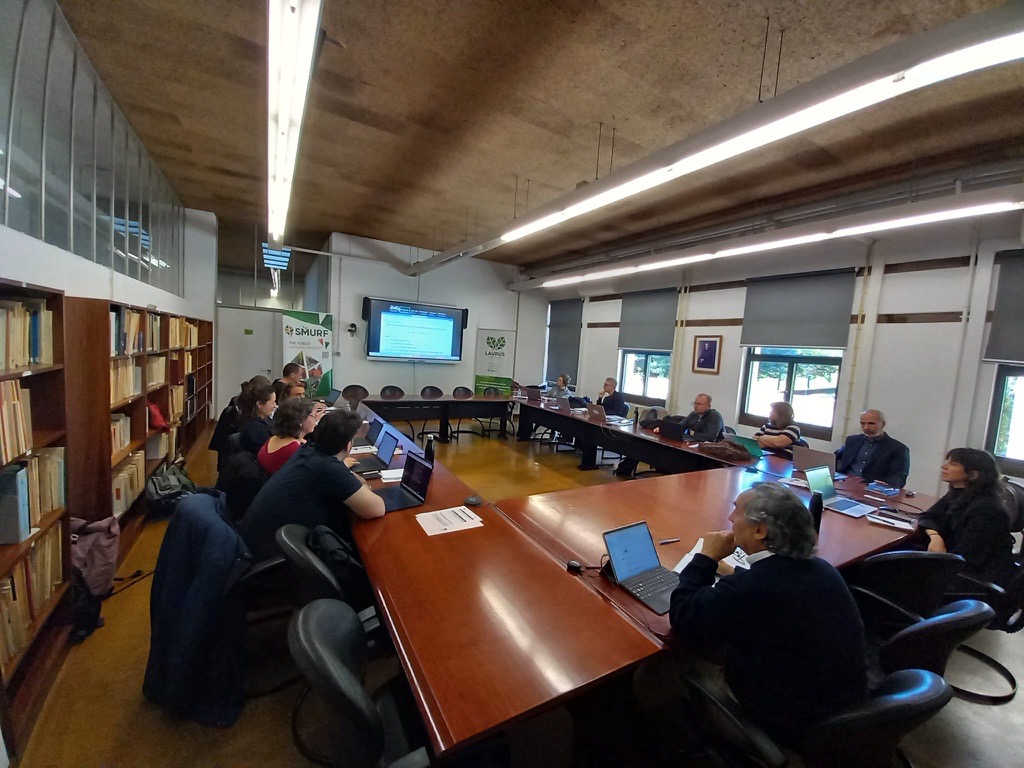
From April 14th to 16th, 2026, the SMURF consortium gathered in Bragança, Portugal, for its 5th General Assembly, hosted by our partner Instituto Politécnico de Bragança. This three-day meeting brought together project partners from across Europe to review progress, align on upcoming activities, and strengthen collaboration around innovative solutions for small forest owners and sustainable forest management. Based on the official meeting agenda.
Day 1: Strategic Alignment and Project Coordination
The General Assembly began with a welcome session led by Álvaro Picardo Nieto from CESEFOR and the host team from Instituto Politécnico de Bragança. The opening session offered an overview of the project’s current status and key milestones achieved so far, setting the stage for two days of in-depth discussions and collaborative workshops.
The morning focused on project governance and stakeholder engagement. Partners held a workshop to define the functioning and relationship with the project’s Advisory Board, ensuring that expert guidance can effectively support the implementation of SMURF’s activities. This was followed by a discussion on the methodological framework for training and educational seminars, which are essential for transferring knowledge and best practices to forest owners, practitioners, and other relevant actors.
A dedicated session on territorial working groups also took place, helping partners define where and how these groups will be established to support local stakeholder engagement and facilitate the uptake of project solutions on the ground.
In the afternoon, the consortium held transversal workshops involving several work packages. Discussions focused on business models for sustainable forest management and on how to support forest owners in the implementation of Closer-to-Nature Silviculture (CNS). In particular, partners explored the development of practical materials such as guidelines and capacity-building resources to facilitate the adoption of CNS approaches. These sessions were key to identifying tools and solutions that can improve the profitability and resilience of small forest holdings.
The day concluded with an important workshop on the organisation of the EU conference in Brussels as the final project conference. Partners exchanged ideas on programme structure, logistics, and communication strategies to maximise the visibility and policy impact of project results.
Day 2: Technical Progress, Carbon Schemes and Policy Dialogue
The second day was dedicated to the project’s core technical work. The morning began with a workshop on the development of the CNS wave methodology, which supports the transition towards more sustainable and resilient forest management models. This was followed by a session on the LAURUS network, where partners discussed its current status and explored ideas for strengthening collaboration and knowledge exchange among stakeholders.
One of the central moments of the day was the workshop on the SMURF carbon scheme. Partners discussed how to structure and implement mechanisms that recognise and reward ecosystem services, particularly carbon sequestration, generated by small forest owners. This work is essential to creating fair and effective incentive systems that support long-term forest resilience.
The afternoon focused on biodiversity and policy integration. A dedicated workshop addressed biodiversity indicators and how project actions can contribute to healthier and more resilient forest ecosystems. Another key session explored policy guidelines, with partners discussing how to connect project findings at national level with broader European policy frameworks. These exchanges are particularly important to ensure that SMURF’s results can support future forest policy and governance.
The day ended with a communication and dissemination planning session, where partners coordinated calendars and activities for the period from June 2026 to June 2027. This forward-looking exercise helped ensure smooth collaboration and effective outreach in the project’s next phase.
Day 3: Learning from the Field in Portuguese Forest Landscapes
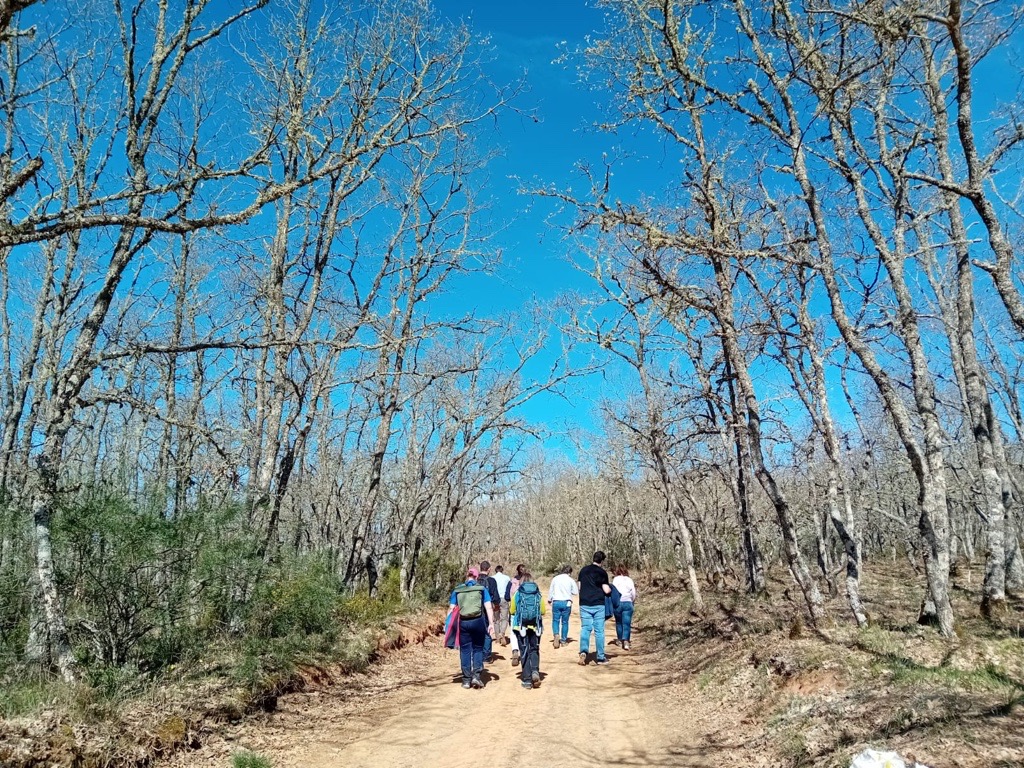
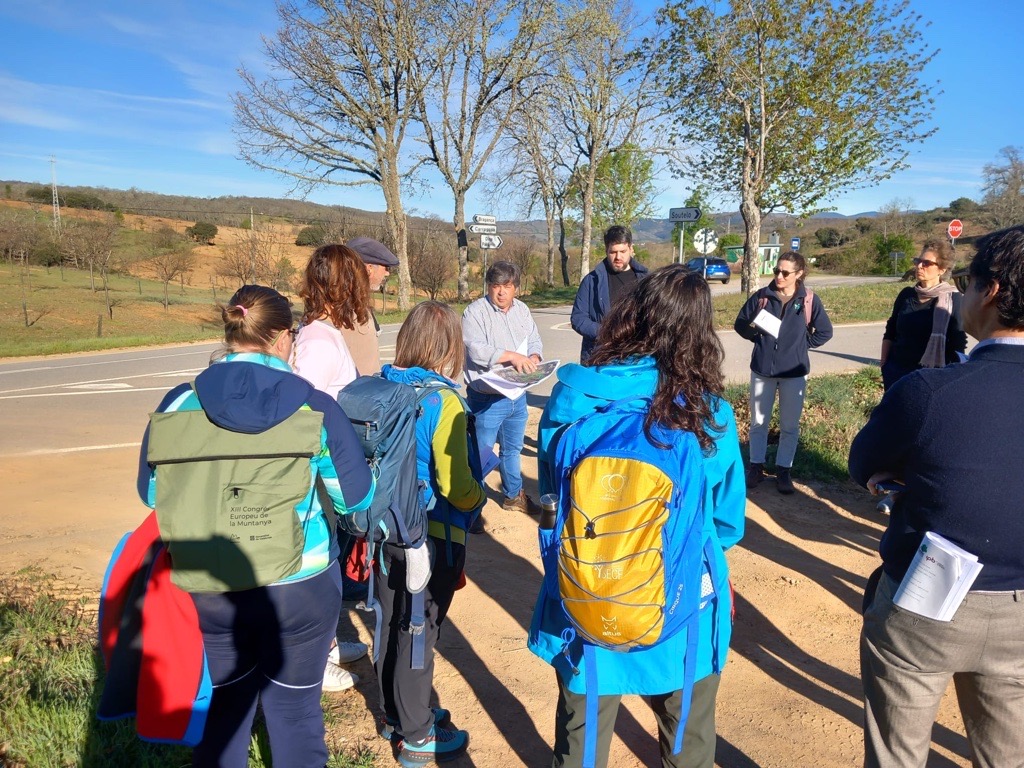
The third and final day was devoted to a field trip that gave consortium members the opportunity to connect project discussions with real forest management practices in Portugal. The group visited forest intervention zones (ZIFs) managed by the APATA Association in the Bragança area, where they learned about local governance approaches, forest fragmentation challenges, and strategies to improve resilience and coordination among landowners.
Later in the day, the consortium travelled to Vila Pouca de Aguiar to visit forest areas managed by AGUIAR Floresta. These visits offered valuable insights into practical approaches to sustainable forest management, stakeholder cooperation, and the implementation of measures that support biodiversity, carbon storage, and rural development.
A Productive and Forward-Looking Meeting
The 5th General Assembly in Bragança was a highly productive and valuable gathering for the SMURF consortium. Across three days of strategic discussions, technical workshops, and field visits, partners reinforced their shared commitment to developing practical, innovative, and scalable solutions for small forest owners across Europe.
As SMURF moves into its next implementation phase, the consortium remains focused on delivering tools, business models, and policy recommendations that support more resilient, biodiverse, and economically viable forest landscapes.